
How to Gain Weight .
.png)
Whether you’re a recreational or elite athlete, young or mature, your performance may be influenced by your body weight. Various diets and artificial means exist claiming to induce weight gain or loss, including nutritional supplements and oral or injected medications. However, these methods are not always safe or effective.
To determine optimal body weight and composition, consult with your physician or a dietitian. It is critical to your health to not gain or lose too much body fat.
Every individual is different, and a body weight for one may not be appropriate for another. Consult with a registered dietitian to determine the safest and most effective way to achieve your weight goal.
Healthy weight gain
The key to gaining weight is to consume more energy (calories) than you burn. As with weight loss, gaining healthy weight (primarily muscle mass) takes time.
Healthy weight gain of 1-2 pounds per week can be expected when reasonably increasing energy intake. It takes an excess of about 2,000 to 2,500 calories per week to support the gain of a pound of lean muscle and about 3,500 calories per week to gain a pound of fat.
As the scale goes up, the goal should be to add an appropriate amount of muscle mass, not simply fat. Resistance exercise is the key to increasing muscle mass; eating excess calories or protein alone will not increase muscle strength or size.
Make sure you make sleep a priority as well; adequate rest is also essential for your body to build new lean muscle mass.
Quality first
The secret to healthy weight gain is to make all your calorie choices as nutrient-rich and calorie dense as possible. When you consume empty-calorie foods like soft drinks, candy, chips and fast food, you are not providing your body with what it needs to build muscle, strengthen bones or repair tissue. You need the nutrient power of all the food groups.
There are just as many products advertising “miraculous” weight gain as weight loss. If it sounds too good to be true, it probably is or it is not safe. At least 25 percent of supplements on the market either contain a banned or illegal substance or do not contain enough of the specified ingredient to make a difference.
Skip the expensive supplements and save your money for delicious whole foods.
Healthy ways to add extra calories
Eat five to six moderately sized meals throughout the day rather than two or three extra-large meals. For an overall healthy diet, choose your foods wisely and eat nutrient-rich foods such as whole-grain breads, pastas, cereals; fruits, vegetables, 100 percent juice; reduced- or low-fat dairy products; lean protein sources, nuts and seeds.
Don’t fill up on diet or regular soda, coffee, tea or energy drinks with few calories or little nutritional value.
Instead, drink smoothies or shakes made with milk and fresh or frozen juice. Sprinkle in some ground flaxseed to add healthy fats.
Choose calorie-dense snacks, such as, nuts, peanut butter, cheese, dried fruits and avocados. Eat a bedtime snack, for instance, a peanut butter and jelly sandwich or a wrap with avocado, sliced vegetables, meat and cheese.
Enjoy sweet treats too, such as muffins, yogurt, fruit pies, dark chocolate and granola bars.
And also many of healthy nutritious foods help to gain weight fast and in proper way. you can also prefer them as your condition.
Are You Underweight? How to Tell.
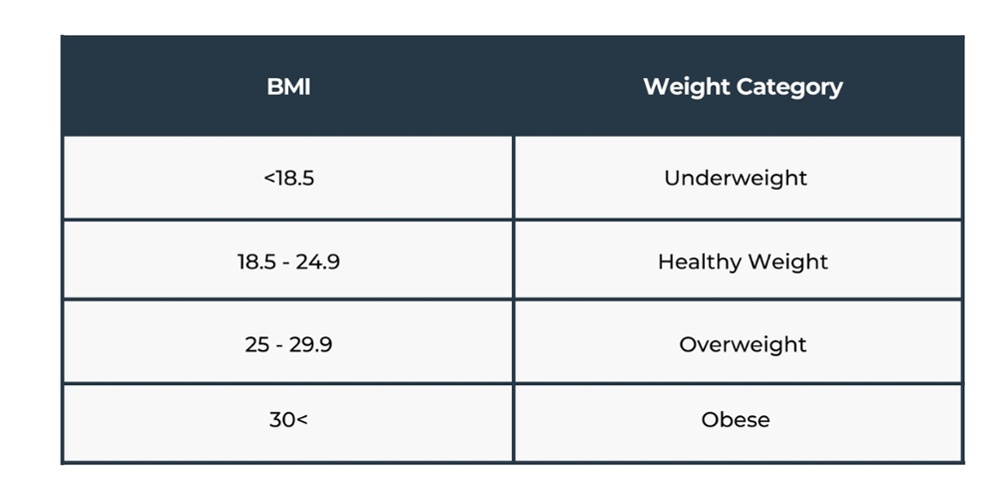
Being skinny is one thing, being underweight is another. Just as being overweight can increase your risk of chronic disease and poor health outcomes, being underweight is often associated with malnutrition, poor bone health, and fertility issues .
The easiest way to tell if you are under a normal body weight for your height and age is by checking your body mass index (BMI). A BMI below the normal range could mean you are underweight, but ultimately you’ll want to check in with your doctor or a registered dietitian for more guidance.
How Many Calories Do You Need to Gain Weight?
I know what you are thinking - I am going to eat a ton of food and gain weight as quickly as possible. But don't go overboard just yet, your goal is to gain healthy weight, not just body fat. The number of extra calories you need to gain weight might surprise you.
You'll need to start by figuring out how many calories you burn each day and then look at increasing your intake from there. This might take a bit of trial and error.
You can quickly estimate your total daily energy needs using an online calorie calculator like the one below - be sure to include any planned training in your estimated daily calorie needs for maintenance.
The amount of calories you should add to your estimated daily intake to gain weight can depend on your starting fitness level and body composition. If you are underweight and struggle with putting on pounds, you’ll likely need more calories than someone looking to add some additional muscle mass to an already healthy frame.
For some, increasing calories by 5 to 10% (or roughly 100 to 300 calories a day) is enough to support additional lean muscle growth. While others may need to increase their calories as much as 20% or more to gain weight.
For a 2,500 calorie diet this would mean an increase of 125 to 250 calories a day - leading to 0.25 to 0.5 pounds of weight gain a week.
Professional bodybuilders, those looking to add some serious mass, or those maintaining a heavier weight, could easily need to eat a very high-calorie diet. But even at 300 pounds, many will top out around 6,000 calories per day. And their additional calorie needs for lean gains is still relatively small comparatively. Keep in mind that even pregnant women only need to eat an additional 300 to 500 calories a day and they are growing a tiny human being.
For beginner lifters or skinny people, a higher increase, eating an extra 300 to 500 calories a day might be more appropriate. And this additional increase would lead to 0.5 to 1 pound of weight gain per week.
But, of course, all of this can still depend on individual differences. If it is particularly hard for you to gain weight or you aren't gaining any weight after 3 to 4 weeks using a moderate calorie increase, you can up this amount. An additional 1,000 calories a day would put you at a rapid weight gain of 2 pounds per week, but this isn't recommended for everyone.
.png&description=How To Gain Weight Properly.)
0 Comments